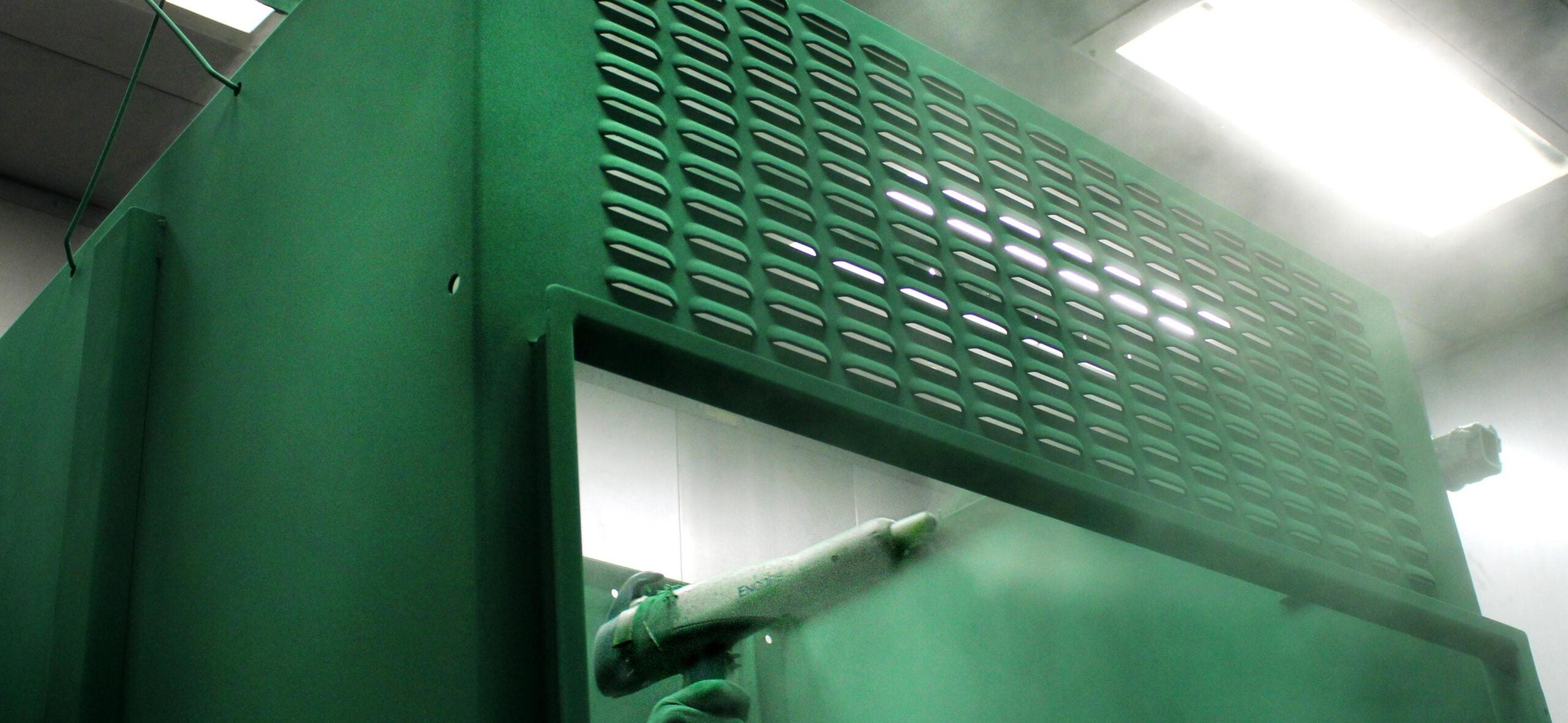
Powder coating is more than a finishing step. It is a performance layer that protects the product, supports long-term durability, and reflects the overall quality of the manufacturing process behind it.
Why powder coating matters
When a product is expected to perform in demanding environments, the finish on that product cannot be treated as an afterthought. Components exposed to weather, debris, abrasion, chemicals, repeated handling, or temperature swings need a surface that does more than look good on day one. They need a finish that helps preserve the integrity of the part over time. That is exactly why powder coating is such an important part of modern manufacturing.
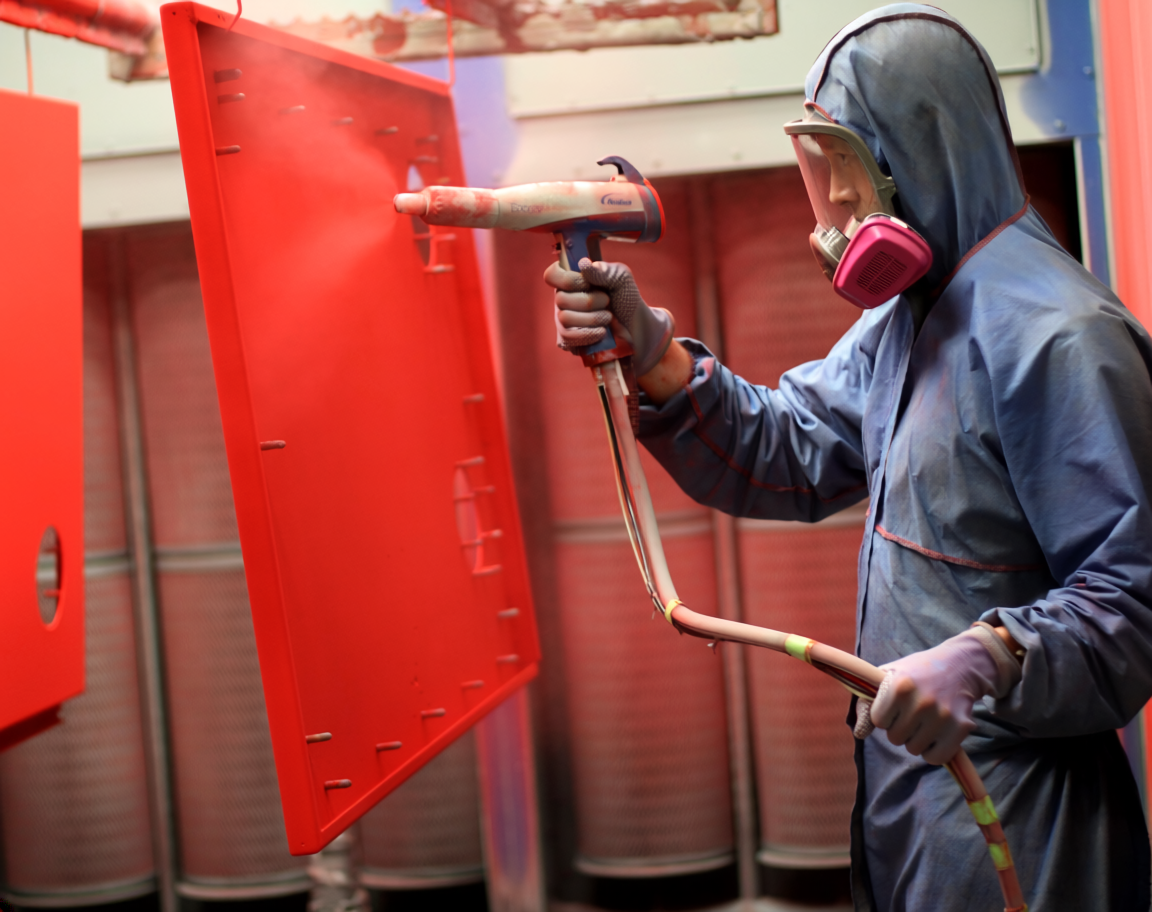
Powder coating is a dry finishing process in which finely ground resin and pigment are electrostatically applied to a prepared metal surface and then cured under heat. During curing, the powder melts, flows, and cross-links into a continuous protective film. The result is a finish that is known for its durability, consistency, and resistance to wear. Compared with traditional liquid paint, powder coating can provide a tougher barrier with excellent visual uniformity and without the use of solvent-heavy coatings.
For manufacturers and end users alike, that matters. A strong finish helps resist corrosion, protects against premature wear, and supports the long-term appearance of a product. It can reduce maintenance, extend service life, and contribute to a better customer experience. When customers see a clean, even, resilient finish, they see evidence of care, control, and quality.
The powder coating process from start to finish
A high-quality powder-coated finish is the result of a disciplined sequence, not just a spray application. Every stage matters, and success depends heavily on what happens before the powder is ever applied. The overall process can be understood in four main phases: preparation, pre-treatment, powder application, and curing.
The first phase is initial preparation. Parts arrive with the realities of manufacturing on their surfaces: oils, coolants, dirt, fingerprints, oxidation, or debris from fabrication. If those contaminants remain, they interfere with adhesion. That can cause coating defects such as bubbling, fish-eyes, flaking, or weak spots that later become corrosion points. Good finishing starts by removing what should not be there.
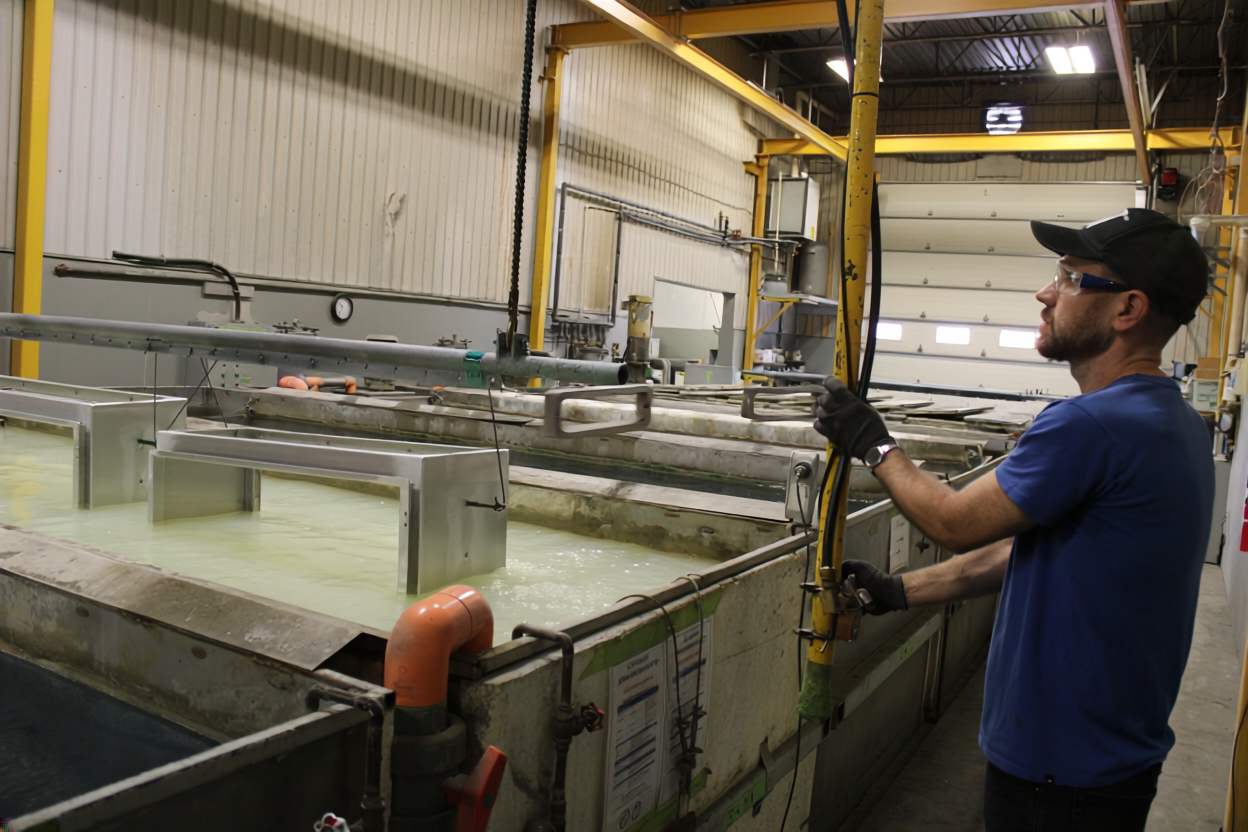
The next phase is pre-treatment, and this is often the most important part of the entire system. In a multi-step dip tank process, parts move through a series of tanks designed to clean and chemically prepare the metal. The exact chemistry can vary based on the substrate and the performance requirements, but the sequence typically includes alkaline cleaning to remove oils and grease, water rinses to prevent chemical carryover, an etching or pickling stage to remove rust or surface scale, and a conversion coating stage to build a microscopic layer that improves adhesion and corrosion resistance.
That conversion layer plays a major role in the final performance of the finish. It creates a better surface for the powder to bond to and helps the coating system stand up to moisture and environmental exposure over time. Final rinses then remove any remaining residues, and the parts are thoroughly dried. Moisture left behind can create defects during coating and curing, so drying is essential.
Once the surface has been properly prepared, the powder is applied. Using an electrostatic spray process, charged powder particles are attracted to the grounded metal part. This allows for even coverage and strong transfer efficiency. Operators can control coating thickness and ensure that edges, contours, and complex shapes receive the attention they need. Uniform application matters because too little coating can leave areas vulnerable, while too much can affect appearance or fit.
After application comes curing. The coated parts move into an oven, where the powder melts and forms a continuous film. At the proper time and temperature, the finish chemically cross-links into a hard, durable surface. This is the stage where the coating becomes the protective finish customers see and rely on. When all previous stages have been done correctly, curing locks in the benefits of the entire process.
Why preparation is everything
One of the most common misunderstandings about powder coating is that the visible finish tells the whole story. In reality, the most important work happens before the final color ever appears. Surface preparation determines whether the coating will truly perform in the field. A beautiful finish applied over a poorly prepared surface may still fail early. A properly prepared surface gives the finish the foundation it needs to last.
This is why multi-stage pre-treatment is so valuable. It brings consistency to the process. Each part passes through the same controlled sequence rather than relying on minimal cleaning or inconsistent outsourced handling. By taking the time to clean, rinse, chemically treat, and dry the substrate correctly, manufacturers can dramatically improve adhesion, finish integrity, and corrosion resistance. In other words, quality powder coating starts with process discipline, not just premium powder.
The value of in-house powder coating
For companies deciding how to finish their products, one major distinction is whether powder coating is handled externally or kept in-house. That decision affects lead times, quality control, communication, and overall manufacturing consistency. At Valid, keeping powder coating in-house supports a higher level of control across the production process.
When finishing is outsourced, parts must be transported, scheduled into another company’s workflow, and handled according to that supplier’s priorities and methods. Even with a good partner, every handoff introduces risk: delays, damage in transit, inconsistent preparation, or reduced visibility into exactly how the work was completed. It also separates the finishing team from the rest of the manufacturing operation.
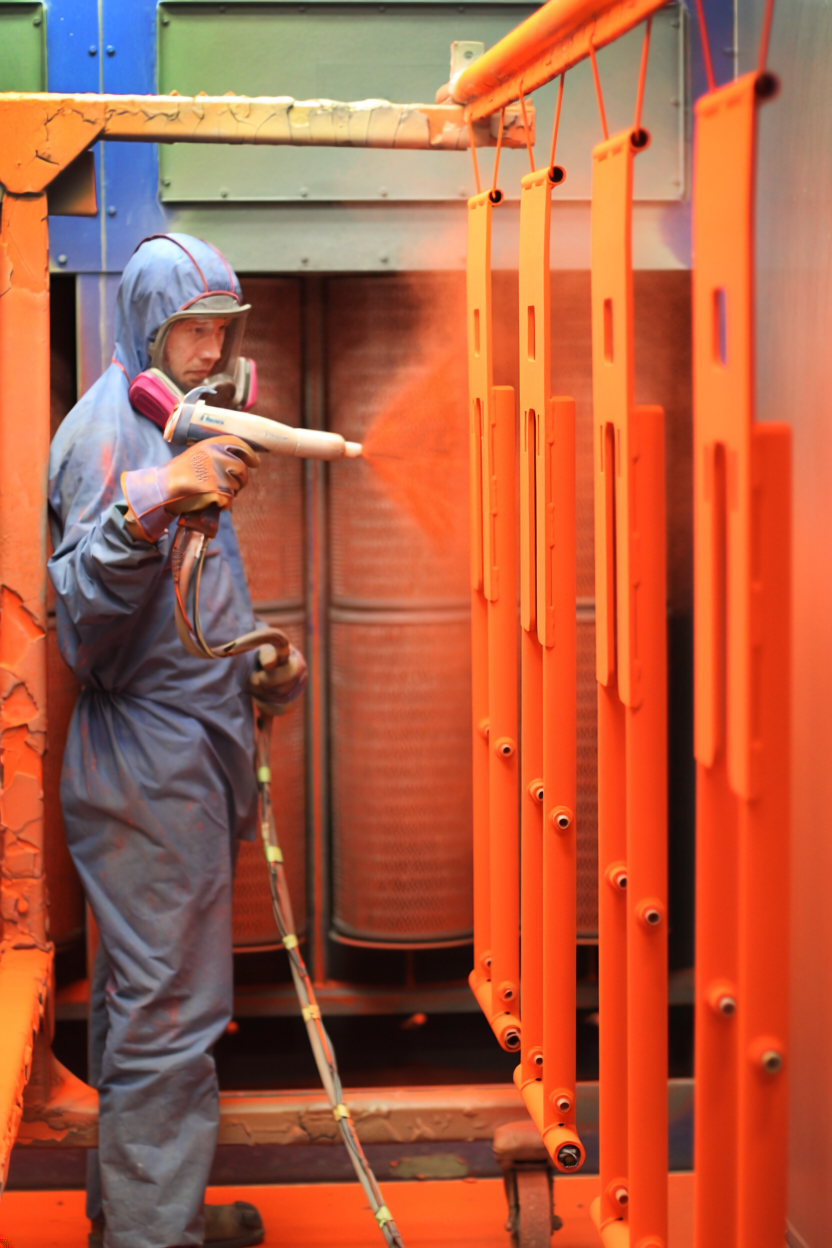
In-house powder coating changes that dynamic. It allows the finishing process to stay closely connected to fabrication, quality control, and final assembly. Teams can coordinate more effectively, respond faster when adjustments are needed, and maintain tighter standards from one production run to the next. Issues can be caught earlier. Timing can be managed more carefully. Expectations can remain consistent because the process is happening within the same quality culture.
For Valid, that means greater control over the details that matter. It means the pre-treatment process can be treated as a critical performance step rather than a box to check. It means coating consistency can be monitored more closely. It means products move through production with less dependency on outside schedules. Most importantly, it supports confidence that the finish applied to a Valid product reflects the same level of care as the rest of the manufacturing process.
How in-house finishing benefits customers
Customers may not always see the full powder coating line, but they absolutely experience its results. A well-executed finish helps a product maintain its appearance, resist wear, and perform reliably over time. That is especially important for products that operate in challenging environments or that need to represent a strong, professional brand image in the field.
In-house powder coating also supports better turnaround and more dependable production planning. When finishing is part of the internal workflow, scheduling becomes more streamlined and less vulnerable to external bottlenecks. That can help reduce unnecessary delays and create a smoother path from fabrication to final delivery.
There is also a consistency benefit. Customers do not want one batch to look great and the next to vary in gloss, coverage, or durability. They want repeatability. They want to know that the product they receive today will match the standard they expect tomorrow. In-house finishing helps support that repeatability by keeping process control, inspection, and accountability under one roof.
A finish that reflects the product behind it
At its best, powder coating does two jobs at once. It protects the product, and it communicates quality. A durable, even finish tells customers that the manufacturer pays attention to details, values long-term performance, and understands that product quality extends all the way to the outer surface.
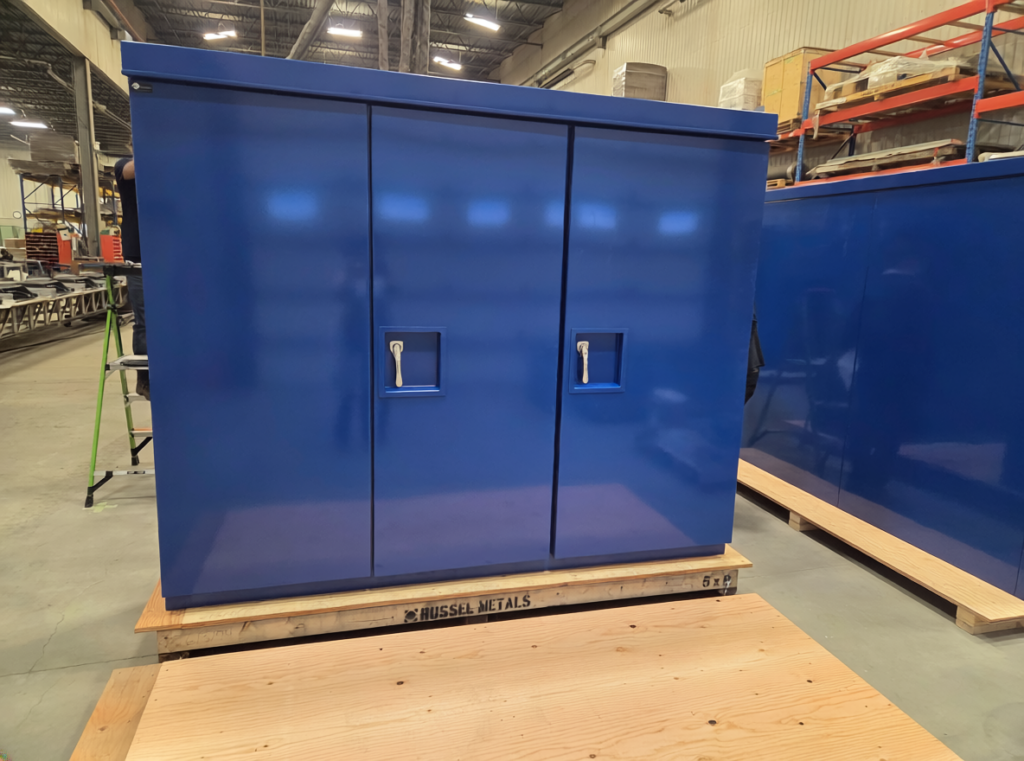
That is why the process matters so much. Powder coating is not just about colour. It is about cleaning, chemistry, precision, timing, and control. It is about building a finish that can stand up to real-world use. And when that process is done in-house, with close oversight and a commitment to consistency, the end result is stronger. At Valid, in-house powder coating is part of a broader commitment to manufacturing quality. By controlling the finishing process internally, Valid is better positioned to protect product performance, support consistency, and deliver the level of finish customers expect from a trusted manufacturing partner.