
Peek inside almost any modern machine—whether it’s a car, industrial equipment, or consumer electronics—and you’ll find a network of wires working behind the scenes to carry power and signals. But these wires aren’t left loose or unorganized. They’re carefully bundled, protected, and structured into what’s known as a wiring harness.
What follows is an overview of what wiring harnesses are, how they function, and why they’ve become such a critical component in today’s technology.
What is a Wiring Harness?
A wire harness is an organized bundle of cables, connectors, and protective coverings designed to route power and data within a system. Instead of running individual wires separately—an approach that can be messy, time-consuming, and prone to failure—wires are grouped into a neatly organized harness customized for a specific application.
A typical wire harness may include:
- Wires of different gauges
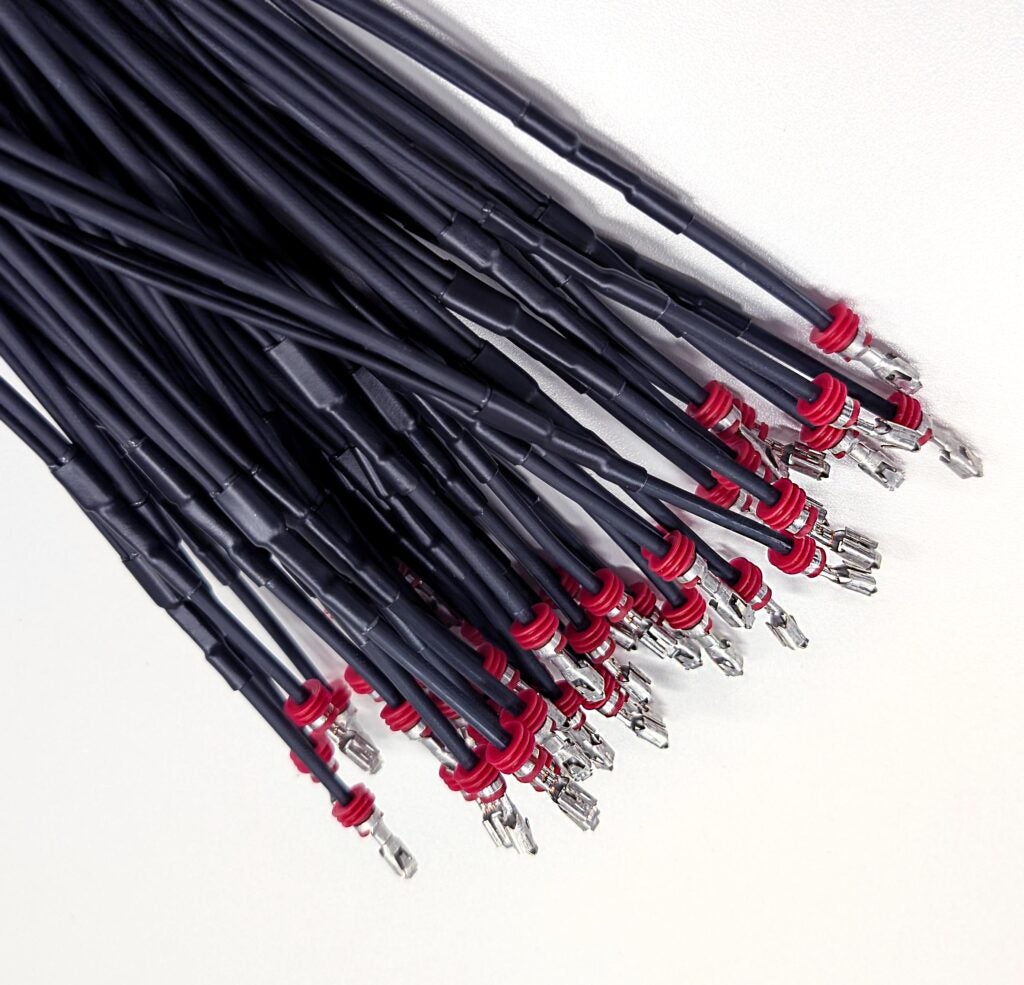
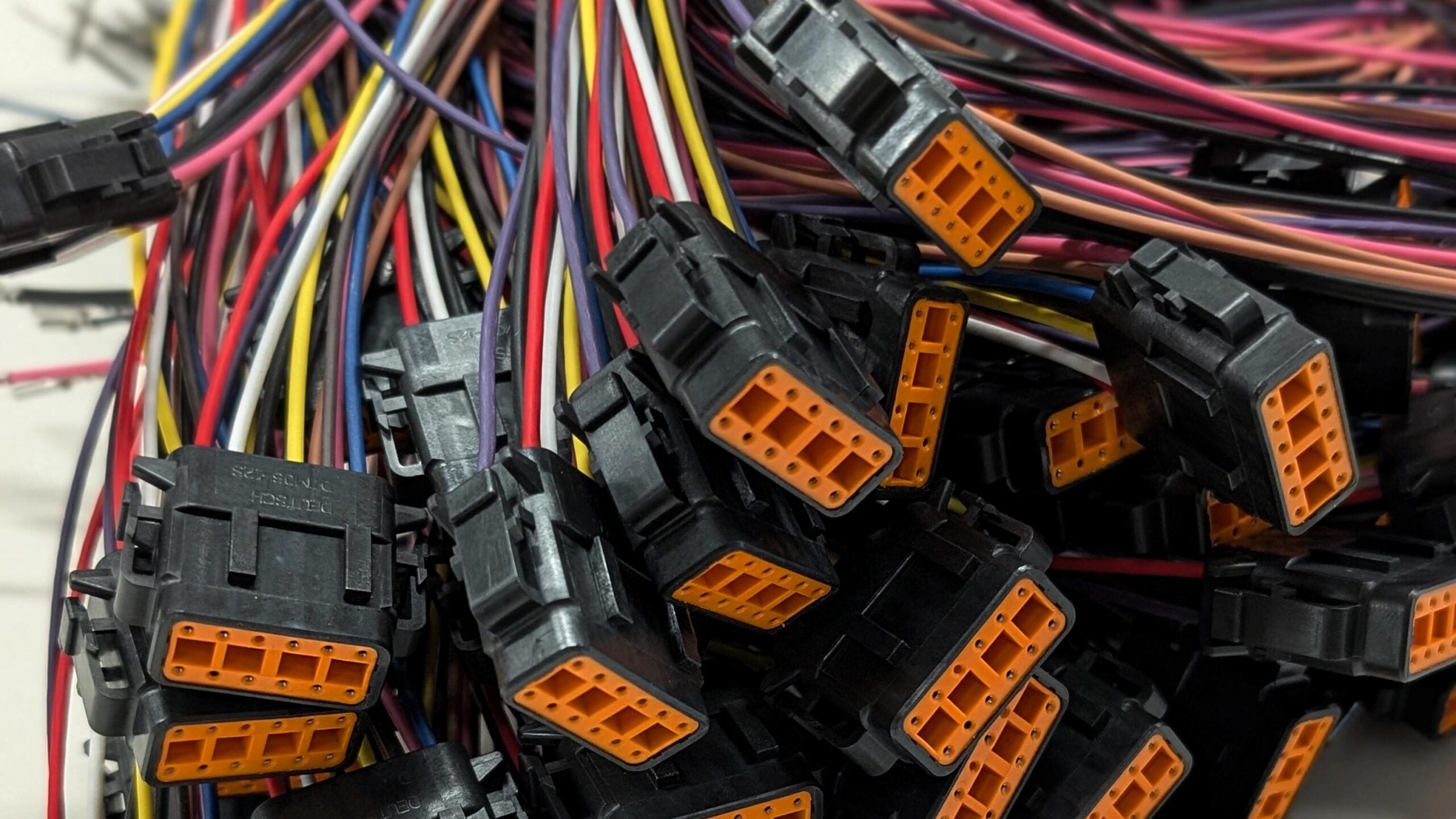
- Connectors and terminals
- Cable ties, clips, and grommets
- Protective covering such as split-loom, tape, or heat-shrink tubing
- Labels or markers that identify each branch
Essentially, a wiring harness brings structure, protection, and reliability to an electrical system
Where are Wiring Harnesses Used?
Wiring harnesses are virtually everywhere. They are found in a wide range of industries, including:
Automotive and Transportation
Cars, trucks, buses, motorcycles, electric vehicles, and even boats rely on harnesses to connect sensors, lights, control modules, infotainment systems, and more.
Industrial Equipment
Robotics, factory machinery, mining equipment, and industrial control systems all use harnesses to manage both power and complex communication lines.
Aerospace and Defense
Aircraft, drones, satellites, and military systems depend on high-reliability harnesses built to withstand extreme conditions.
Consumer Electronics
Appliances, computers, medical devices, audio systems, and home automation equipment use miniature harnesses to keep wiring compact and clean.
Renewable Energy
Solar arrays, battery systems, and EV charging infrastructure rely on harnesses for safe, reliable energy transfer.
If a device needs power or transmits data, there’s a good chance a wiring harness is part of the design.
Benefits of Using a Wiring Harness
Wiring harnesses offer numerous advantages that improve the performance, efficiency, and reliability of any electrical system.
Improved Reliability
Bundled and secured wires are far less likely to loosen, rub, or break.
Simplified Installation
Instead of routing many individual wires, technicians install a single integrated assembly. This significantly reduces installation time and minimizes the risk of wiring errors.
Enhanced Safety
Harnesses help to prevent short circuits, electrical fires, and loose connections by keeping cables properly organized and protected.
Better Space Efficiency
Bundling wires into a compact form allows manufacturers to maximize available space. This is particularly important in vehicles, aircraft, and compact electronic devices.
Lower Production Costs
Consolidating wiring into one prebuilt unit cuts labor time, accelerates production, and reduces the likelihood of costly rework.
Easier Maintenance and Serviceability
Clearly labeled branches and connectors make troubleshooting faster, simpler, and more accurate.
How a Wiring Harness Is Made
While every product is different, the manufacturing process for a wiring harness generally follows these steps:
- Define Requirements – Identify electrical requirements (voltage and current), environmental conditions, connector types, and routing constraints using drawings or schematics.
- Design the Harness – Develop the harness layout and wiring diagram, specifying wire gauges, lengths, colors, branch points, and connector pinouts.
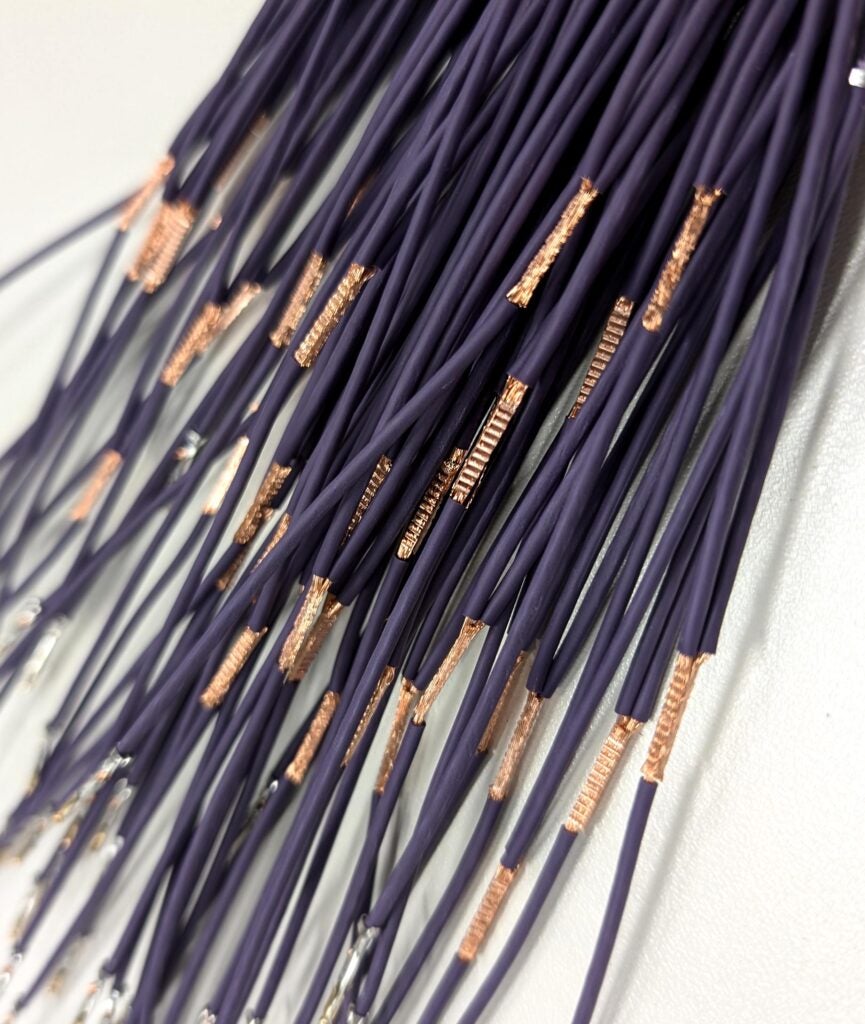
- Select Materials – Choose appropriate wires, terminals, connectors, protective coverings (loom, braid, heat shrink), and labels based on performance, durability, and compliance requirements
The final product is a custom-built wiring solution engineered for durability and reliable performance in real-world environments.
Why Wiring Harnesses Will Continue to Matter
As technology advances, especially with the growth of electric vehicles, robotics, automation, and increasingly sophisticated electronics, the demand for dependable, well-organized wiring only increases. Wiring harnesses keep complex electrical systems manageable, safe, and scalable.
Whether they’re distributing power in an EV battery pack or linking sensors throughout heavy equipment, harnesses play a critical role in ensuring every component operates smoothly and in sync.
Valid Sets the Standard for Custom Wiring Harnesses
Valid provides comprehensive wiring harness solutions across a diverse range of industries—including heavy truck, transportation, agriculture, rail, marine, and industrial machinery. These sectors demand reliable electrical connectivity in environments where vibration, moisture, temperature extremes, and mechanical wear are common. Valid meets these challenges by designing and manufacturing harnesses that are purpose-built for each application.
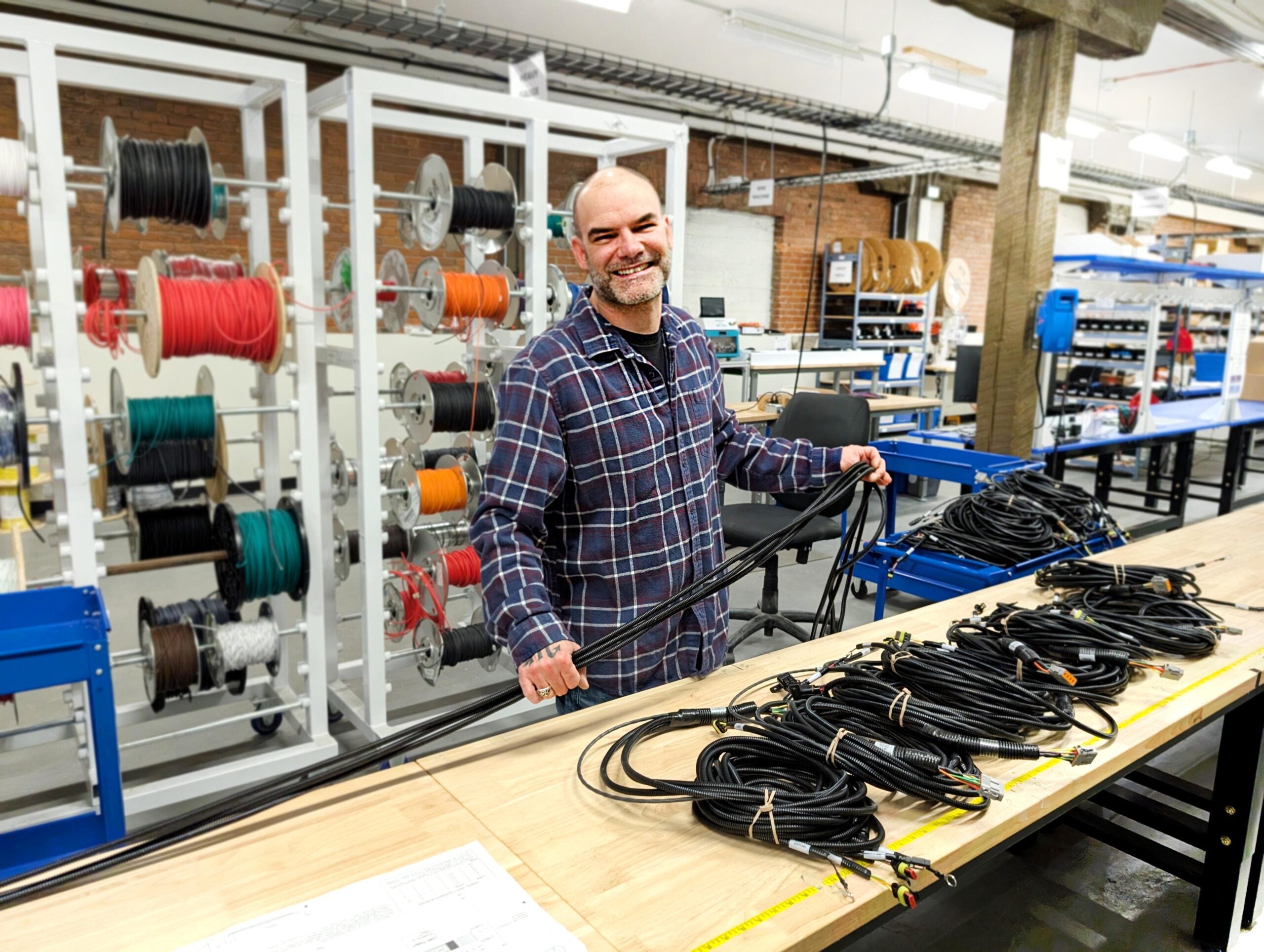
Every harness is constructed using customer-specified materials, components, and termination methods. This ensures compatibility with OEM systems, regulatory requirements, and the environmental conditions in which the product will operate. Whether the project calls for high-flex cable, sealed connectors, braided sleeving, specialized labeling, or custom panels and enclosures, Valid builds according to exact specifications while maintaining strict quality standards.
A key part of Valid’s process is its collaborative engineering approach. The team works closely with customers from concept through production to fully understand electrical requirements, mechanical constraints, routing expectations, and installation environments. This collaboration allows Valid to provide informed design guidance—helping customers refine designs, select optimal components, and identify opportunities to improve durability, serviceability, and manufacturability.
Throughout the development cycle, Valid leverages its experience to recommend best practices in areas such as connector selection, strain relief, protective coverings, bundling methods, and testing procedures. By addressing these considerations early, the company ensures each harness is not only functional but also robust and easy to install.
The result is a wiring harness solution optimized for long-term performance and reliability. From high-vibration equipment to moisture-prone environments or compact consumer electronics, Valid delivers harnesses capable of withstanding real-world conditions. With precise workmanship, tested materials, and a focus on customer collaboration, Valid provides electrical solutions that support safe operation, reduce downtime, and integrate seamlessly into complex equipment systems.